Getting Started in Bones and Coins
From the opening torch to a working party without wasting the first stack of coins.
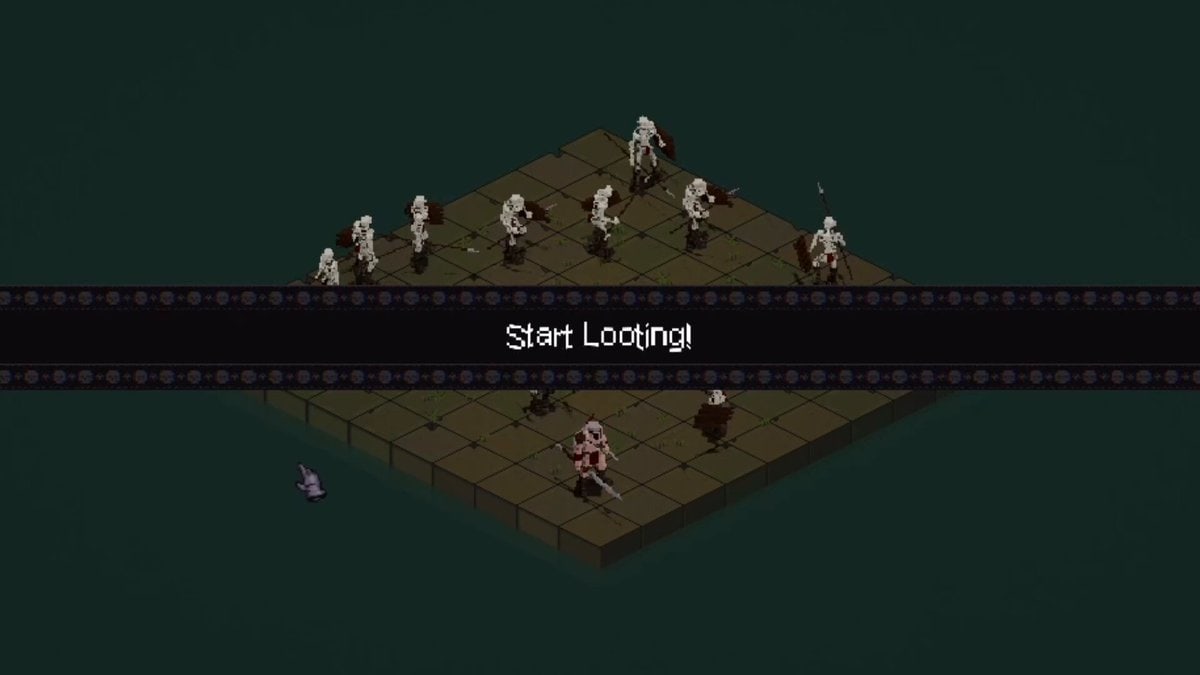
Bones and Coins opens smaller than the Steam store page suggests. You get a torch, a tiled dungeon island, and a pack of skeletons. Hover the cursor to deal damage, collect the coins that drop, and spend them before the flame dies. That loop is the whole game in miniature. This page is the first-hour plan for the Steam launch build: what to buy, when to recruit, and which systems you can ignore until the second sitting.
The developer, Kemal at Troyd Games, shipped the full game on 7 September 2026 at 10:00 AM UTC after a public playtest in January and a Steam Next Fest demo in February. An optimized run is billed at about four to five hours. Your first hour should not try to complete that. It should unlock automatic coin flow, one extra party slot, and a frontline hero so later rooms do not stall.
Minute zero: start looting
Press into the first dungeon room. The HUD flashes Start Looting! over an isometric pack. Your personal weapon is a torch swing tied to the cursor. You do not click each skeleton like a classic clicker; you keep the damage circle on the densest clump. When the torch bar at the top hits zero, the run ends and leftover coins still bank. That last point matters: finishing a room is not a wipe of the purse.
Coins collect on their own. Items do not, not at the start. Hover shinies until you buy the auto-loot node described in the loot and economy guide. If a video makes the game look fully idle, that footage is from after those upgrades.
First purchases: income before ego
The early skill tree is a trap if you buy the flashy nodes first. Gameplay from the playtest and demo consistently shows the same cheap openers:
- Raise more bones / initial skeleton spawn. More targets per room means more coins per torch. Several videos grab +5 spawn count immediately.
- Coin drop value. Turning each copper into two or three coins triples a run without touching the weapon.
- Party slot. The Guild cannot place a second body until the tree pays for the slot. This is the first “I am playing the real game” purchase.
- Item drop chance and wooden chests. A 2.5% item chance and a 0.5% wooden chest chance are small, but they feed the Blacksmith later.
- On-kill skeleton summon. A 5% chance to spawn another skeleton stretches a room instead of letting it go quiet.
Skip giant weapon-area nodes until income is online. A bigger circle on a starved pack still prints a starved payout. The how to play page explains why the circle size and the torch timer interact; this page only cares that you do not spend the first 50 coins on cosmetics of power.
Recruit the Barbarian, then stop shopping
Once a party slot exists, open the Guild tab (it sits beside Skill Tree, Blacksmith, Inventory, and Expeditions on the full HUD). The first advertised frontliner is the Barbarian: high durability, strong melee, the unit playtesters recruited around the 50-coin mark. Put him on the floor and let the auto-battler work. You still hover for torch damage, but the Barbarian is the first time the game plays itself in a useful way.
Do not immediately fill every slot with random bodies. Read party building before you add the Bowman and Shaman. A support mark from the Shaman multiplies the Barbarian; a second melee without a mark just splits aggro. The hero roster lists what we actually know about each revealed class, including the Wizard added in demo v0.8.0.
First room goal, not first room greed
The bottom bar is room XP, not account XP. Demo v0.8.0 added per-room progression and bonuses, plus a max skeleton count tied to room size. Your first sitting should level the opening catacomb until the pack density feels generous, then unlock the next room when the tree offers it. Gameplay footage names Rusty Mines as an early unlock. Treat extra rooms as new loot tables, not as a race. The dungeon rooms walkthrough covers bonuses, music changes, and why late sessions used to starve of skeletons.
Blacksmith weapons can wait until you have a drop you cannot use raw. The first dagger shown in prototype footage sat around 25 weapon damage with a tiny crit chance — fine as a stepping stone, not a reason to stall the Guild. When you do forge, every weapon has its own attack animation; that is flavour and timing, not a hidden DPS stat you need on hour one.
A clean first-hour checklist
- Complete two or three torch runs without opening the tree, just to feel pack density.
- Buy spawn count and coin value.
- Buy a party slot and recruit the Barbarian.
- Pick up item-chance or chest chance if they are cheap.
- Level the first room; only then unlock the next catacomb.
- Bookmark the skill tree and hero tier list for sitting two.
If the loop already feels obvious, skip ahead to blessings — playtest builds used two blessing slots, while the full game gives each hero five. That system is how late parties stop looking identical. For launch-week patch context, see Updates.
Bones and Coins rewards a greedy economist more than a greedy duelist. Bank coins, feed the tree, hire one tank, and only then start theorycrafting weapons. The rest of this wiki exists for sitting two.
Frequently Asked Questions
Quick answers to the most common questions.
What should I buy first in Bones and Coins?
Skeleton spawn count and coin value. Then a party slot so you can recruit the Barbarian from the Guild. Weapon-area nodes wait until income is stable.
Do I click coins by hand?
No. The developer confirmed coins collect automatically. Hover items until you purchase the auto-loot skill. See loot and economy.
When do I recruit the second hero?
After the Barbarian is on the floor and you understand marks versus damage. Party building recommends Shaman next, then Bowman.
Is the Steam demo progress separate?
The demo used its own Steam app. Treat the 7 September 2026 full release as a fresh campaign unless an official note says otherwise. Check Updates when patches land.