Bones and Coins Enemies
Nine unique foes, exclusive loot, and how packs actually pay the tree.
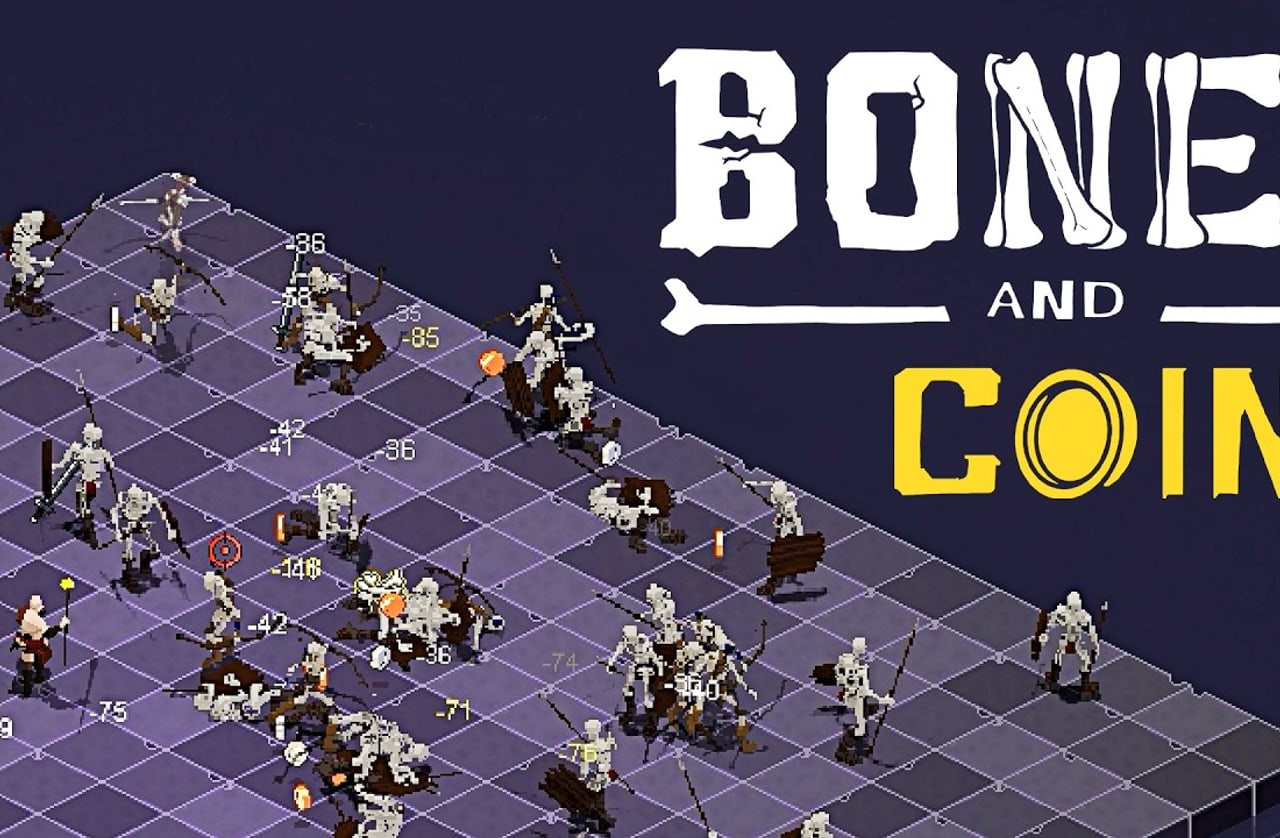
The Steam full release of Bones and Coins lists nine unique enemies, each dropping exclusive items. The floors you actually fight are mostly skeletons: spears, bows, shields, the occasional angry shield-bearer that trailer comments already memed. This page is the drop logic, not a fake bestiary of invented boss names.
Combat still works as How to Play describes: hover the torch, let heroes auto-attack, End Looting when the island is empty. Enemies exist to print coins, bones, and the parts the Blacksmith wants.
What “nine unique enemies” means
Official copy is a count, not a roster. Public footage and the playtest trailer show skeleton variants — melee, ranged, shield. Demo v0.8.0 added a max skeleton limit tied to room size so late sessions would stop starving. More unique types live in later dungeon rooms. This wiki will not name a “Bone Lich” until the Guild log or a patch note does.
Exclusive drops are the reason the count matters. Nine types × exclusive parts is how sixteen weapons get their recipes. If you vendor every white item because copper is short, you brick a craft. Loot and economy is the other half of that sentence.
Packs, density, and why rooms feel empty
Early skill tree nodes that raise initial skeleton spawn and on-kill summons are enemy-economy nodes. They do not change the nine unique types; they change how many bodies stand on the tile. A skinny pack in a new room is usually untrained room XP, not a missing enemy DLC.
v0.8.0 also sped up hero movement and attack so cluttered floors would not path like molasses. If a shield-bearer feels immortal, check whether Shaman marks are landing and whether the Barbarian is actually in the pile. That is a party problem before it is a bestiary problem.
Exclusive parts versus common bones
- Coins auto-collect. Developer Kemal confirmed this under the official trailer.
- Items need a hover until the auto-loot node. Coloured orbs on the isometric floor are the tell.
- Exclusive enemy parts should sit in Inventory until you know the Blacksmith recipe. Keep one copy.
- Common bones / junk can fund spawn count. An itch prototype comment said bones sold for 25 bronze even after a “sell value” node — useful as a warning that not every economy leaf is honest at first glance, not as a live 1.0 number.
Trailer chatter called out an angry skeleton shield-bearer. Treat heavy shields as “this pack lives longer, mark it.” Do not farm a named boss that does not exist on the store page.
Room tables
Each of the eight rooms has its own drop rates and challenges. Rusty Mines is the early named unlock in demo footage. Training a room’s XP bar is also an enemy action: local bonuses include extra loot, per developer comments in January. Hopping to a fresh tileset with a thin bonus layer makes unique types feel rare because the table is still cold.
Expeditions may ask you to fight fatter versions of the same nine. Until a modifier list exists, keep farming the trained room that drops the part you need.
Related pages
- Dungeon rooms — eight catacombs, caps, room XP.
- Blacksmith — where exclusive parts become swings.
- Hero roster — the bodies that delete the pack.
- Launch notes — the nine-enemy count from Steam’s 7 September 2026 copy.
Do not invent names. Do not vendor the only exclusive. Train the room that pays.
Frequently Asked Questions
Quick answers to the most common questions.
How many unique enemies are in Bones and Coins?
Nine in the full Steam release, each with exclusive drops. Public footage shows skeleton variants; later rooms add types. This wiki does not invent boss names.
Why should I keep enemy drops?
Exclusive parts feed the Blacksmith. Vendor only junk. See loot and economy.
Why did my room run out of skeletons?
Older builds could starve. Demo v0.8.0 added a max skeleton cap tied to room size. Buy spawn-count nodes and train dungeon room XP.
Is there a boss list?
Not in official notes. Packs are the content. Marks and execute from the party matter more than a raid icon.